
Written scope and material choices
You receive a clear scope that spells out tear-off, underlayment type, flashing approach, ventilation plan, and cleanup, with shingle options and color guidance.
Serving Grand Rapids, Michigan & surrounding areas
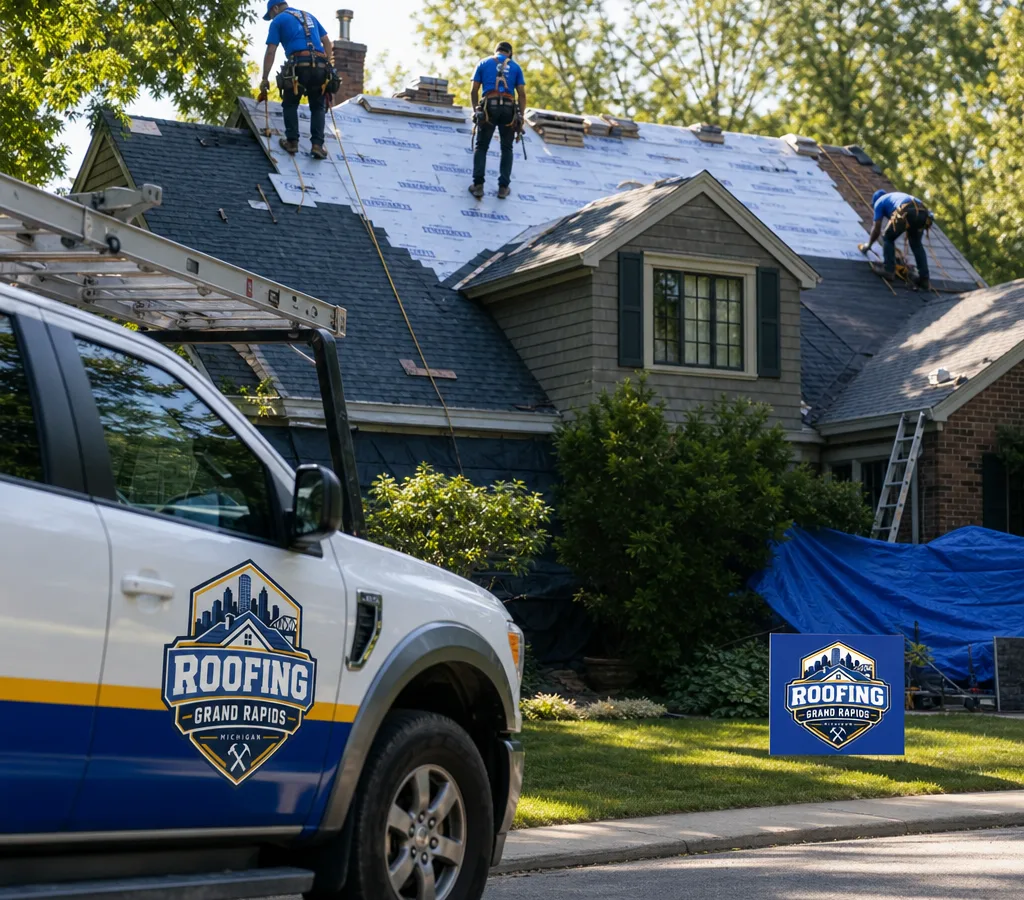
Get a roof that handles West Michigan wind, snow, and spring rain. We provide a clear written scope, material options that fit your home, and a clean, controlled jobsite from tear-off through final pickup.
If you are searching for roof replacement Grand Rapids homeowners can trust, start with the basics that matter on the roof deck: correct tear-off, sound decking, proper underlayment, and ventilation that matches the attic.
Grand Rapids sees freeze-thaw cycles, heavy wet snow, and strong wind events that can stress shingles and flashing. A replacement is the chance to fix the details that cause the most trouble over time, like pipe boot failures, step flashing at sidewalls, and ice-and-water protection at eaves and valleys.
Roofing Grand Rapids replaces residential roofing systems with a focus on measurable standards: drip edge at the perimeter, starter strip at the eaves and rakes, properly fastened field shingles, sealed penetrations, and a ridge vent or equivalent exhaust plan where the roof design allows it. When you have the right components in the right places, you get a roof that sheds water, resists wind lift, and looks clean from the street.
You can also get a sense of how we work and what we stand for at Roofing Grand Rapids MI.
A repair is a good choice when the roof is otherwise healthy and the leak source is isolated. Replacement is usually the better investment when the roof has widespread wear or when previous layers and patchwork make diagnosis and long-term performance harder.
Common signs we see around Grand Rapids that point toward replacement:
In neighborhoods with older housing stock like Heritage Hill, we often find more complex roof lines and flashing transitions that benefit from a full rework instead of chasing one spot at a time. In areas with larger, newer subdivisions like Cascade, roof planes can be simpler, but wind exposure and long ridge lines make ventilation and ridge cap installation details more important.
If you are unsure, we start with an on-roof inspection and attic checks where accessible, then recommend the least disruptive path that makes sense for the condition we can verify.
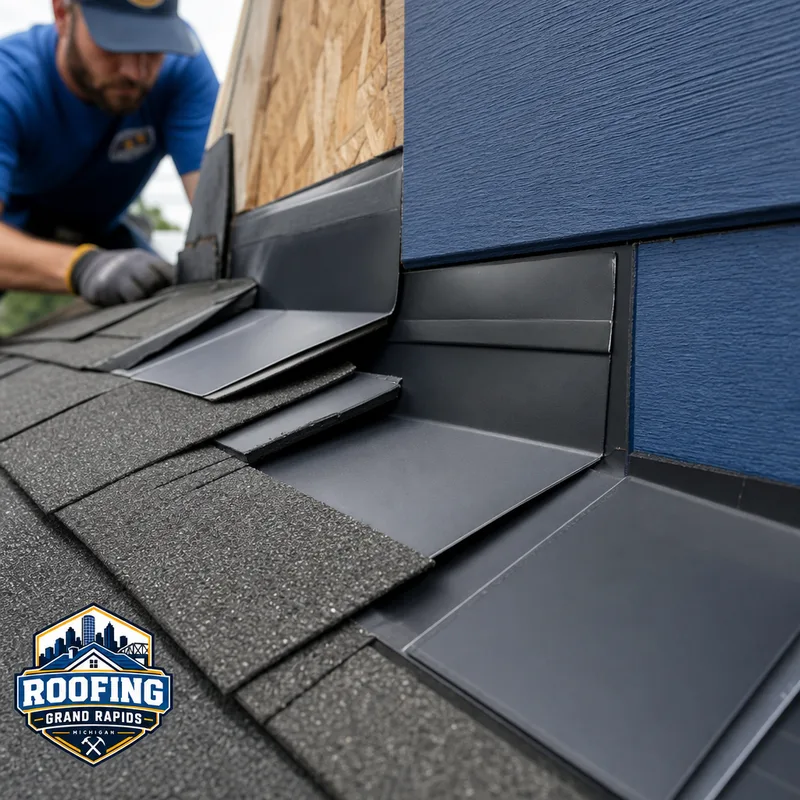
You receive a clear scope that spells out tear-off, underlayment type, flashing approach, ventilation plan, and cleanup, with shingle options and color guidance.
After tear-off we inspect the roof deck and address any damaged sheathing so the new system has a solid, nail-holding base.
Eaves, valleys, and other leak-prone transitions get the right waterproofing layers for spring rain and winter freeze-thaw conditions.
Chimneys, walls, and penetrations are treated as the most important details on the roof, because most long-term leaks start at transitions, not the field shingles.
We control debris during tear-off, protect landscaping where possible, and complete a thorough final sweep so the property is ready to use when we leave.
If we uncover hidden conditions like rotten decking or failing chimney flashing, we explain the options and pricing before moving forward.
Most roof replacement projects in Grand Rapids typically range from $8,500 to $18,500 for an asphalt-shingle home, with smaller, simple roofs sometimes landing around $6,500 to $9,500 and larger or complex roofs running $20,000+.
Your final price depends on roof size and pitch, number of layers to tear off, decking repairs, valley and flashing complexity, ventilation needs, and the shingle grade you choose. The exact cost is confirmed after an on-roof inspection and a written scope.
We look at the roof surface, flashings, and penetrations, and we check attic ventilation when accessible. You get a recommended scope that matches what we can verify.
Before tear-off, we plan access, protect key areas, and stage materials so the project stays controlled and the work moves efficiently.
We remove the old roofing and inspect the decking. Any needed sheathing repairs are handled before underlayment goes down.
We install drip edge, underlayment, ice-and-water protection as required by roof conditions, then shingles, ridge cap, and ventilation components.
We clean the jobsite, do a final detail check on flashings and ridge lines, and walk you through what was done so you know what is on your roof.
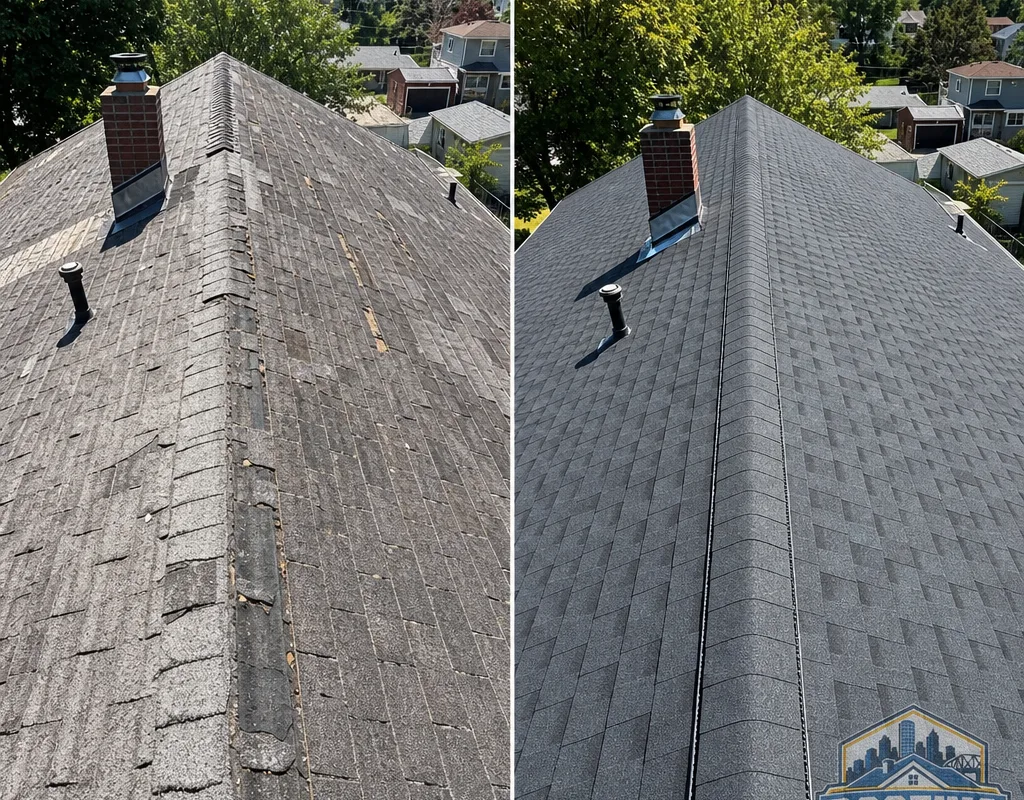
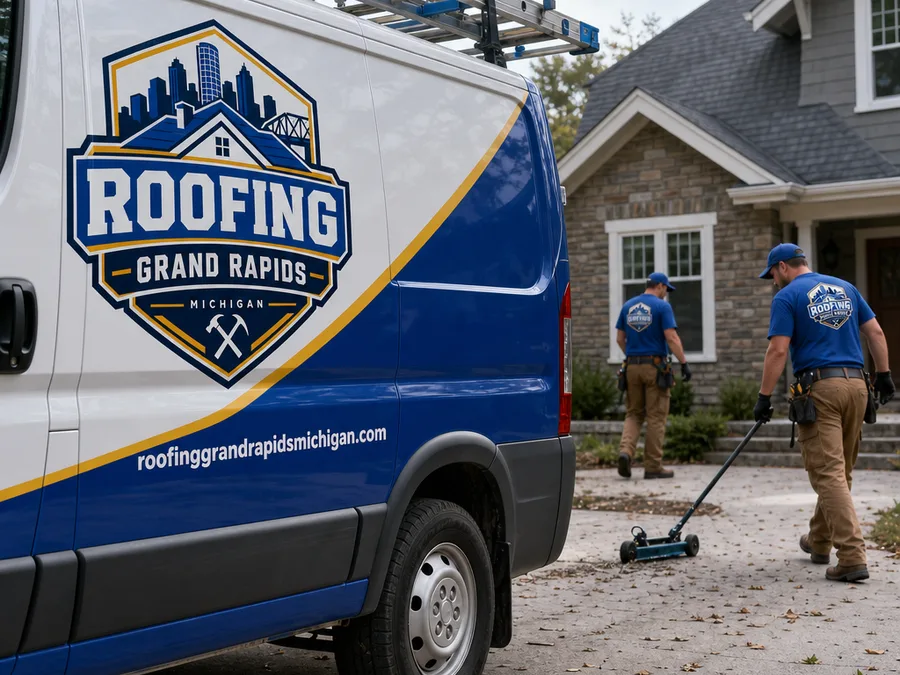
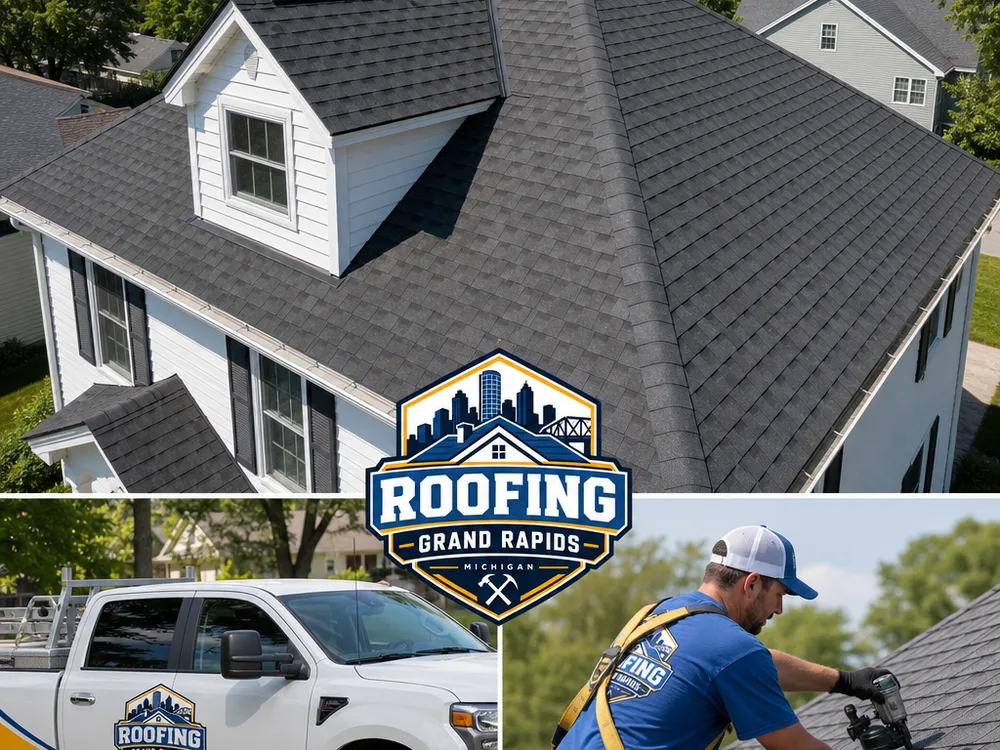
If you want pricing you can actually compare, start with a written scope that lists the materials, flashing approach, and ventilation plan before scheduling the work.
Book an InspectionMany asphalt-shingle roof replacements take 1 to 2 days of on-site work, but complex roof lines, multiple layers, or decking repairs can extend the schedule. Weather matters in West Michigan, so we plan around wind and rain and keep the roof protected as we work.
Yes, critical flashing details are addressed during replacement because most persistent leaks start at transitions. Pipe boots, valleys, wall step flashing, and chimney areas are evaluated and replaced or rebuilt as needed based on condition and best practice for the roof design.
A roof can often be replaced in colder months when conditions are safe, but materials and installation methods have temperature limits and we will not compromise adhesion or crew safety. If winter weather is too volatile, we can stabilize problem areas and schedule the full replacement for a reliable window.
Decking replacement is only done where the wood is damaged or cannot hold fasteners correctly, and it is confirmed after tear-off when the deck is visible. We explain what we find and review options before proceeding with any additional work.
Architectural shingles are the most common choice for replacement because they generally offer better wind performance and a thicker profile that hides minor deck waviness. If budget is the primary driver and the roof is simple, three-tab can still be viable, but we will explain tradeoffs based on your roof's exposure and details.
A solid quote should list tear-off scope and disposal, underlayment type, ice-and-water locations, drip edge, flashing approach, ventilation plan, decking repair allowances or pricing method, and cleanup. If any of those items are vague, it is harder to compare bids and easier for surprises to show up later.
Tell us what you are seeing and what kind of roof you want to end up with. We will inspect the roof, explain your options in plain language, and provide a written scope for your Grand Rapids home.