Leak detection and roof repairs
Track down the source, then fix the cause. That often means replacing damaged shingles, correcting flashing at walls or chimneys, resealing penetrations, and repairing underlayment in the affected area.
Serving Grand Rapids, Michigan & surrounding areas
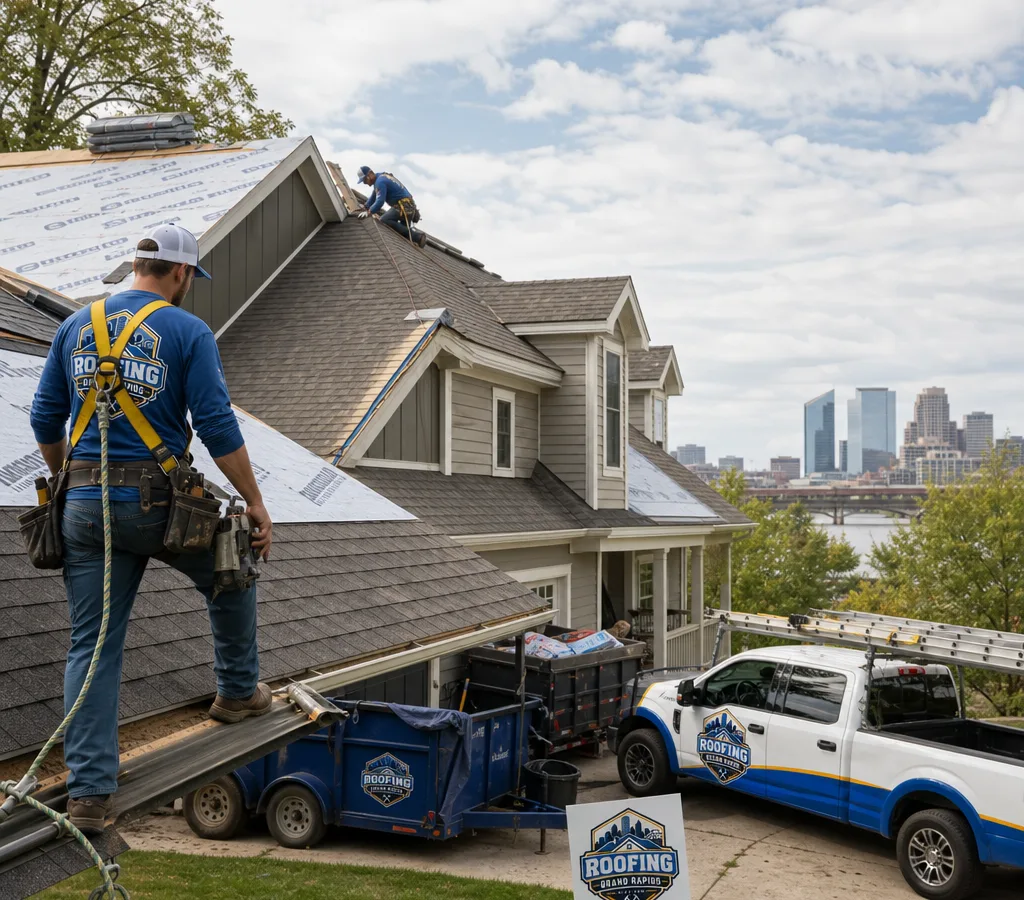
From small leaks to full replacements, Roofing Grand Rapids delivers clean work, clear communication, and roof systems built for West Michigan weather.
If you are searching for residential roofing Grand Rapids homeowners can rely on, start with two things: correct diagnosis and correct installation details. In West Michigan, roofs take a beating from freeze-thaw cycles, spring wind, and heavy summer downpours. Those conditions do not just wear shingles. They also stress flashing, underlayment, ventilation, and the edges where most leaks start.
Roofing Grand Rapids focuses on the work that keeps a house dry and protected: roof inspections, targeted repairs, full tear-offs and replacements, and the details around chimneys, valleys, pipe boots, skylights, and eaves. You will get a written scope, straightforward options, and a jobsite that is kept clean from start to finish.
Homes around Heritage Hill and Eastown often have complex rooflines and older penetrations that need careful flashing work. In Wyoming and Kentwood you will see a lot of straightforward gable roofs where efficient tear-off and fast dry-in matter. Out in Ada and Cascade, larger footprints and more roof facets can make access, staging, and material handling a bigger part of the plan. The house style changes, but the standard stays the same: install to manufacturer specs, keep water moving off the roof, and seal every transition point.
Track down the source, then fix the cause. That often means replacing damaged shingles, correcting flashing at walls or chimneys, resealing penetrations, and repairing underlayment in the affected area.
Remove old roofing down to the deck when needed, repair any compromised sheathing, then rebuild the system with underlayment, starter, shingles, ventilation, and new flashings where it counts.
After high wind or hail, we document visible damage, prioritize water-entry risks, and help you decide whether a repair is appropriate or replacement is the smarter long-term choice.
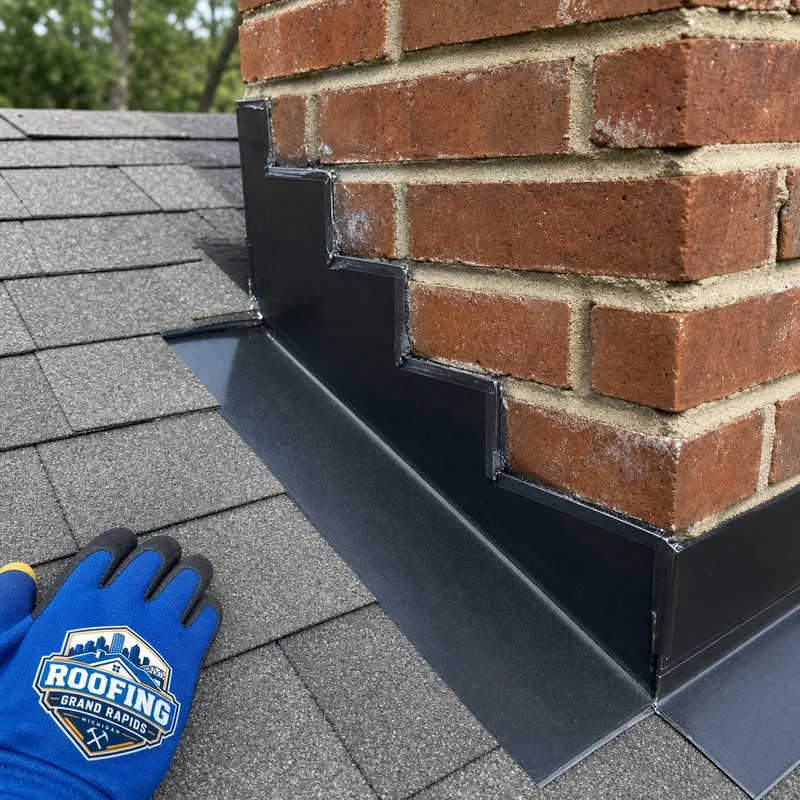
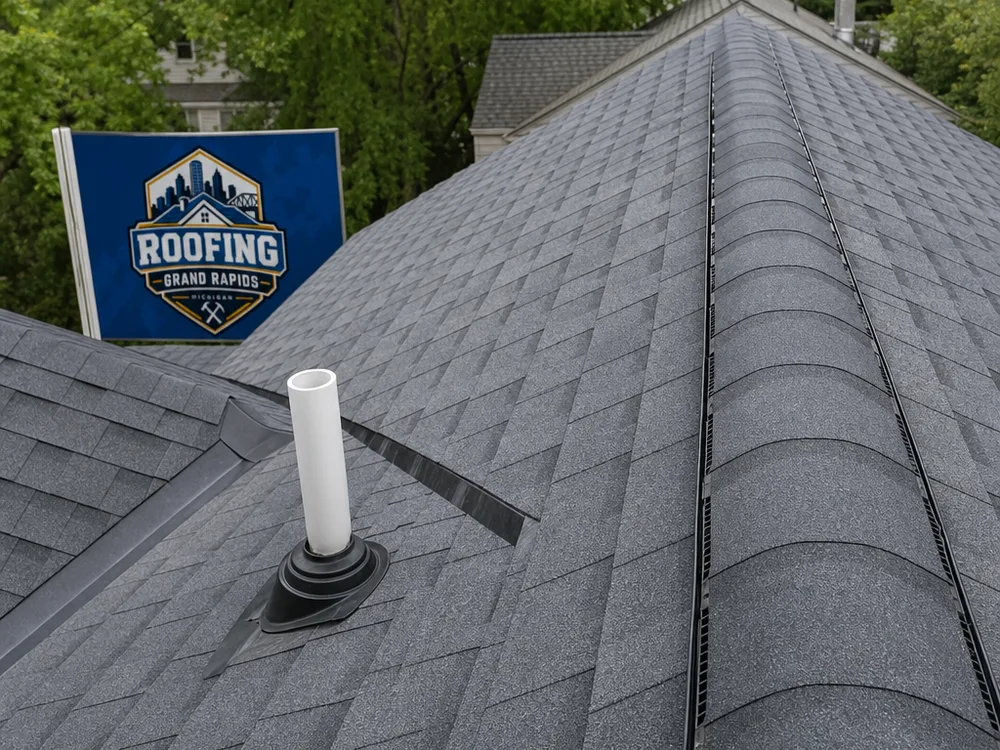
Chimneys, valleys, step flashing, pipe boots, and skylight transitions are common failure points. We focus on metal and seal details that keep those joints watertight.
Balanced intake and exhaust ventilation helps reduce ice dam risk and moisture buildup. We assess existing vents and recommend practical corrections when the roof system is rebuilt.
Roofs fail at edges when water is not directed correctly. We install appropriate edge metal and coordinate drainage details so water moves off the roof and away from the home.
Shingles are only the top layer. A durable residential roofing system depends on the components underneath and the way they tie together.
During an estimate and inspection, we look closely at:
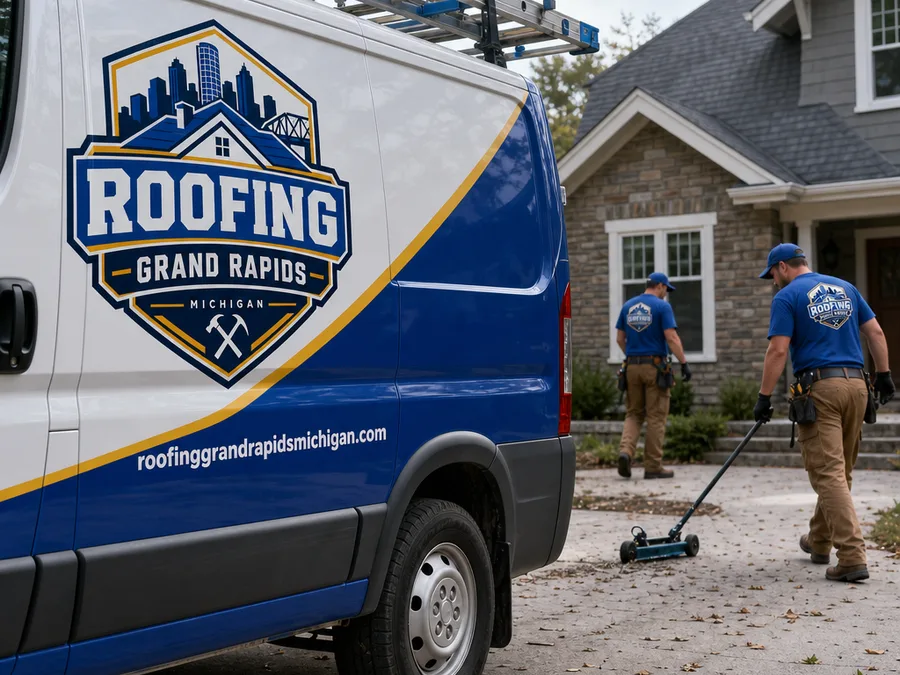
You will also get a clear plan for how we protect landscaping, where materials will be staged, how cleanup works—including magnetic sweeps for nails—and what the daily schedule will look like so your household is not guessing what happens next.
If you are comparing companies, start at Roofing Grand Rapids MI for a quick look at how our team approaches residential projects in the Grand Rapids area.
We inspect the roof surface and the key transitions—valleys, walls, chimney, and vents—and review interior or attic indicators when relevant. You get a written scope that separates immediate repair needs from longer-term concerns.
We walk through shingle type, underlayment, ventilation changes, and edge metal so you understand what is included. If your roof is a repair candidate, we explain the tradeoffs versus replacement.
We confirm access, delivery timing, and protection for landscaping and driveways. If weather shifts, we coordinate a realistic start date and dry-in plan.
For replacements, we remove the old material, inspect the decking, complete any necessary sheathing repairs, then install the water-shedding layers before shingles.
We complete shingles, flashings, and ventilation details, then do a full cleanup with a final walk-through so you can see what was done and what to monitor going forward.
Most residential roofing projects in Grand Rapids typically range from about $6,500 to $18,000 for a full replacement, with smaller roofs or simpler ranch layouts at the lower end and larger, steeper, or more complex roofs at the higher end. Targeted repairs often run roughly $350 to $1,500+, depending on access and how far the damage extends.
Your final price depends on roof size and pitch, number of layers to tear off, decking repairs, shingle type, flashing and ventilation needs, and how many valleys, dormers, skylights, or chimneys are involved. The exact cost is confirmed after an on-roof inspection and a written scope.
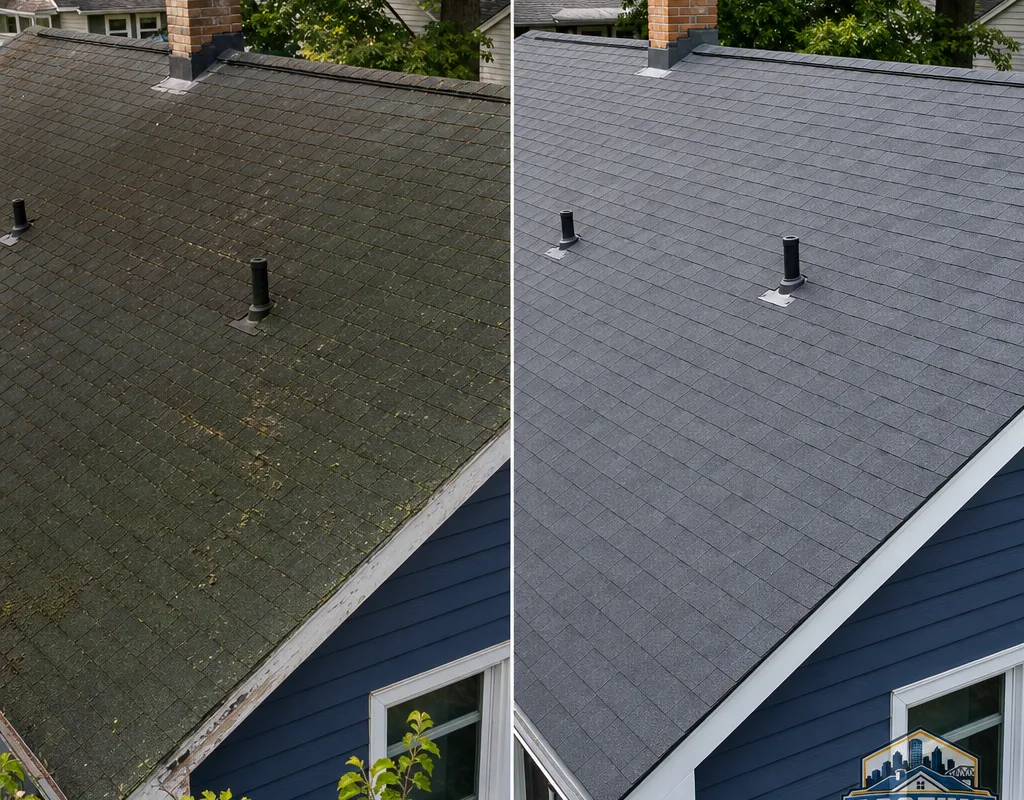
You can usually repair a roof when the problem is isolated and the surrounding shingles and underlayment are still in good condition; replacement makes more sense when there is widespread wear, repeated leaks in different areas, or multiple failing transitions like valleys and chimneys. An on-roof inspection is the quickest way to confirm whether the roof system is still sound or if patching would only delay a larger issue.
Many single-family roof replacements can be completed in 1 to 2 days once work begins, but steep roofs, complex layouts, multiple layers, or decking repairs can extend the timeline. Weather is also a real factor in Grand Rapids, so we plan around rain risk and prioritize getting the roof dried-in the same day.
Yes, damaged decking is addressed as soon as it is exposed because shingles cannot be installed correctly on soft or compromised sheathing. We flag likely trouble areas during the estimate, then confirm quantities once the old roof is removed so the roof system has a solid nailing surface.
Asphalt shingles are the most common choice for residential roofing in the area because they work well on typical pitched roof designs and offer good value across a range of budgets. During the quote, we will help you compare shingle grades and the underlayment and flashing details that matter more than color when it comes to leak resistance.
We can document visible storm-related damage and provide a clear scope so you can communicate with your insurer, but the insurer determines coverage and claim decisions. If you are unsure whether damage is repairable, an inspection and photos of key areas like ridges, hips, and flashing can help you decide your next step.
Start by protecting the interior with a bucket and towels and note where the water appears, but keep in mind the roof entry point is often higher up-slope than the stain. If it is safe to do so, take photos from the ground and avoid climbing on the roof; we can inspect common entry points like valleys, vent boots, and wall flashing to identify the actual source.
Tell us what you are seeing and when it started. Roofing Grand Rapids will inspect your roof, explain repair versus replacement options in plain language, and provide a written scope you can trust.